
Claim Your Seat in Orlando's AI Answers Before Rivals Do
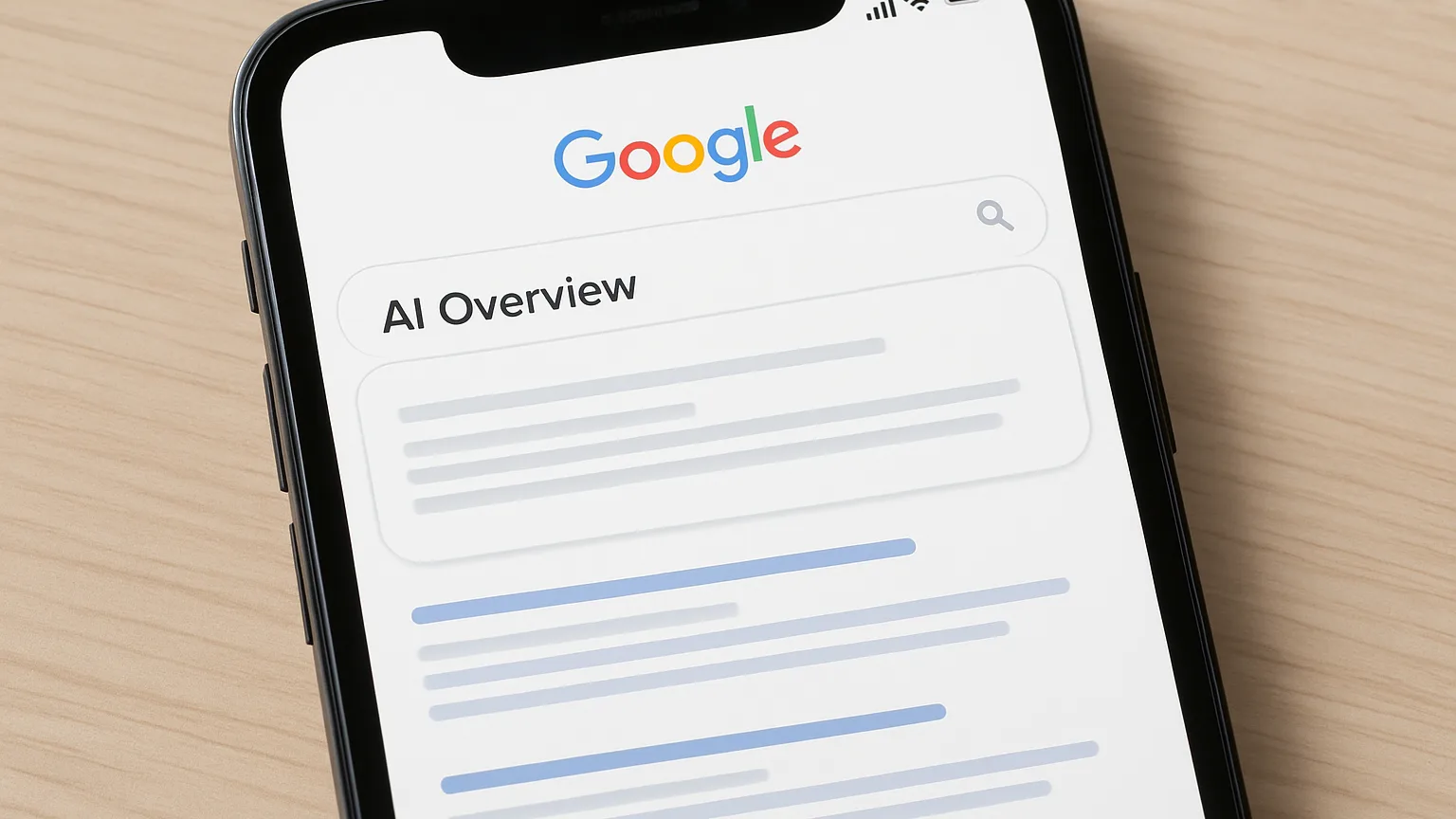
Picture a buyer in Lake Mary typing "software dev firm near Orlando" into Google. A few years ago, ten blue links came up. Now an AI Overview sits at the top and names three or four companies. Most people read that box and stop scrolling.
That box is a shortlist. It is small, a machine picks it, and it does not reset every morning. Once an AI system learns to trust a few local names for a search, it tends to keep using them. That is why timing matters so much for early-stage founders right now.
What the AI Reads Before It Names You
AI Overviews do not guess. They pull from sources they can check against each other. For a local B2B search, those sources usually include:
- Your Google Business Profile and its reviews
- Your own website, especially plain pages that each answer one clear question
- Directories, chamber listings, and incubator member pages
- Local news, event recaps, and podcast show notes that mention you by name
When these sources agree on who you are, where you work, and what you do, the AI feels safe naming you. When they disagree, it skips you and picks a company that is easier to confirm.
Why Young Companies Get Passed Over
Many startups have a slick homepage and almost nothing else. There are no reviews yet. A coworking address shows up on one site and a home address on another. The service page says "we build the future" but never says "custom software for Orlando healthcare firms." The AI cannot match vague words to a real search, so it moves on.
This gap explains why so many local founders feel invisible in the AI answer box even when their product is strong and their clients are happy.
Here is the good news. For most Central Florida B2B searches, the shortlist is still thin. Many slots are held by national firms with weak local pages. A focused startup can still push its way in. That window will not stay open forever, though, so the order of your work matters.
Do these steps in order. Each one makes the next one work better. Skipping ahead is the most common way founders waste a quarter.
1. Lock Down One Version of Your Business Details
Pick one business name, one address, and one phone number. Then make every listing match it exactly. "Suite 200" and "Ste. 200" look small to you, but to a machine they can look like two different companies.
If you work from home or a coworking space and do not meet clients there, set your Google profile up as a service-area business. Hide the street address and list the areas you serve instead, such as Orlando, Winter Park, Lake Nona, and Sanford.
2. Turn Your Google Business Profile Into an Answer
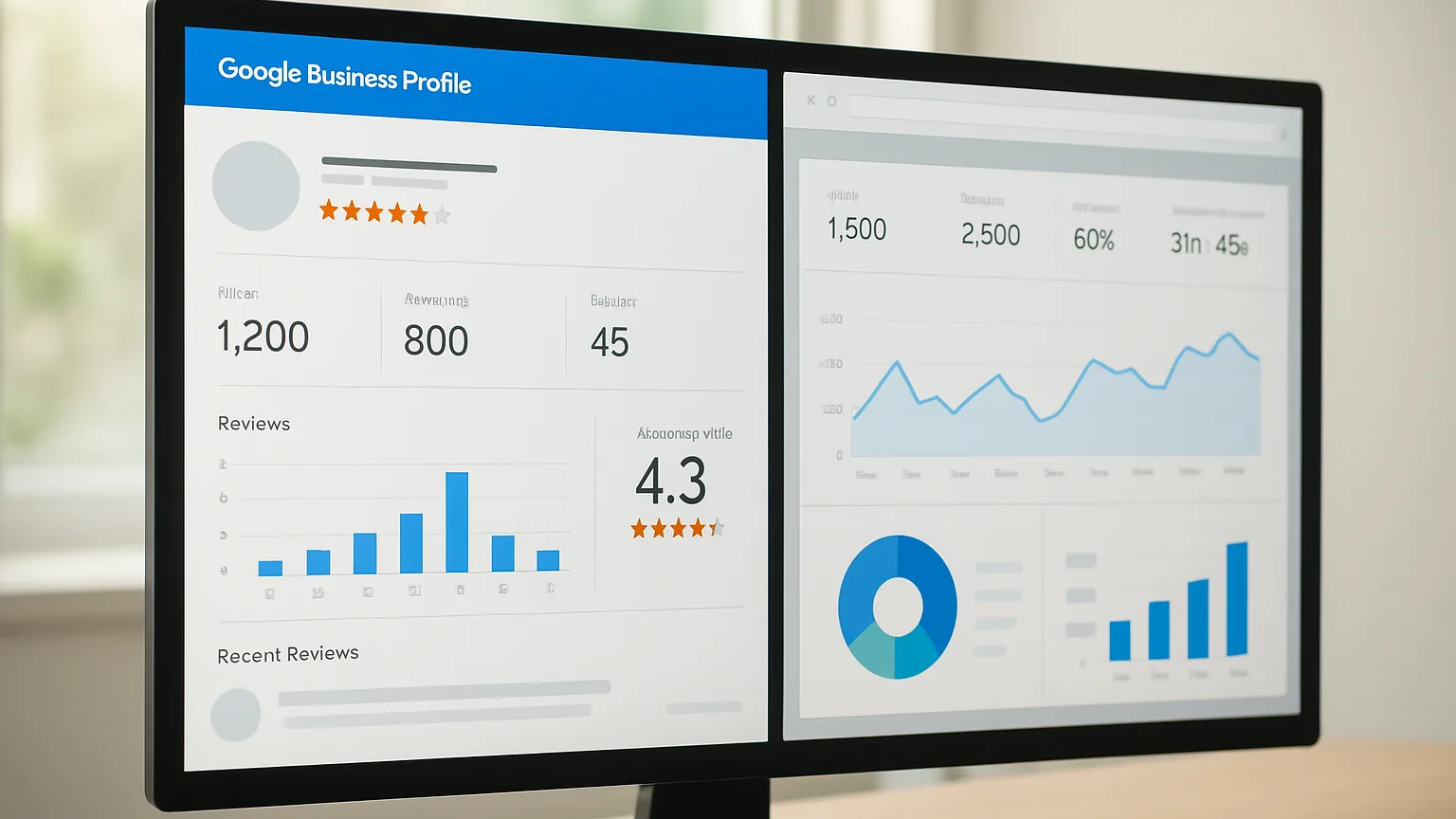
Your profile is often the first thing the AI checks. Treat it like a short sales page, not a form you filled out once.
- Choose the most exact main category you can find, then add a few close extras
- List each service with a plain one-line description
- Add real photos of your team, your workspace, and local events you attend
- Post an update at least twice a month, even if it is short
3. Build One Page Per Service, Per Place
A single "Services" page will not win much. Create focused pages like "Mobile App Development for Lake Nona Health Startups" or "Cloud Security for Orlando Fintech Teams." Open each page with a heading phrased as a question, then answer it in two or three short sentences right away. AI tools love lifting that first clear answer.
4. Ask for Reviews That Name the Work and the City
Five reviews that say "great team" help a little. Five reviews that say "they rebuilt our patient portal for our Orlando clinic" help a lot. When you ask a client for a review, gently suggest they mention what you built and where they are based. Never write it for them. Just point them in the right direction.
5. Get Listed Where Local Trust Lives
The AI cross-checks you against sources it already trusts. In Central Florida, that means chamber of commerce directories, incubator and accelerator member pages, university partner lists, meetup pages, and well-known B2B review sites. Each matching listing is one more vote that you are real.
6. Keep the Site Fast, Safe, and Online
None of this matters if your site breaks. A hacked site can get flagged or dropped from results overnight, and a slow one gets skipped by crawlers. Running a security-focused website audit alongside your keyword work protects the rankings you are trying to build.
Uptime is a local issue here, too. Storm season can knock out power and internet for days, and an office server going dark means missed crawls and missed leads. Teams that lock in a microgrid or other backup power early, or host off-site with solid backups, stay visible while competitors go quiet.
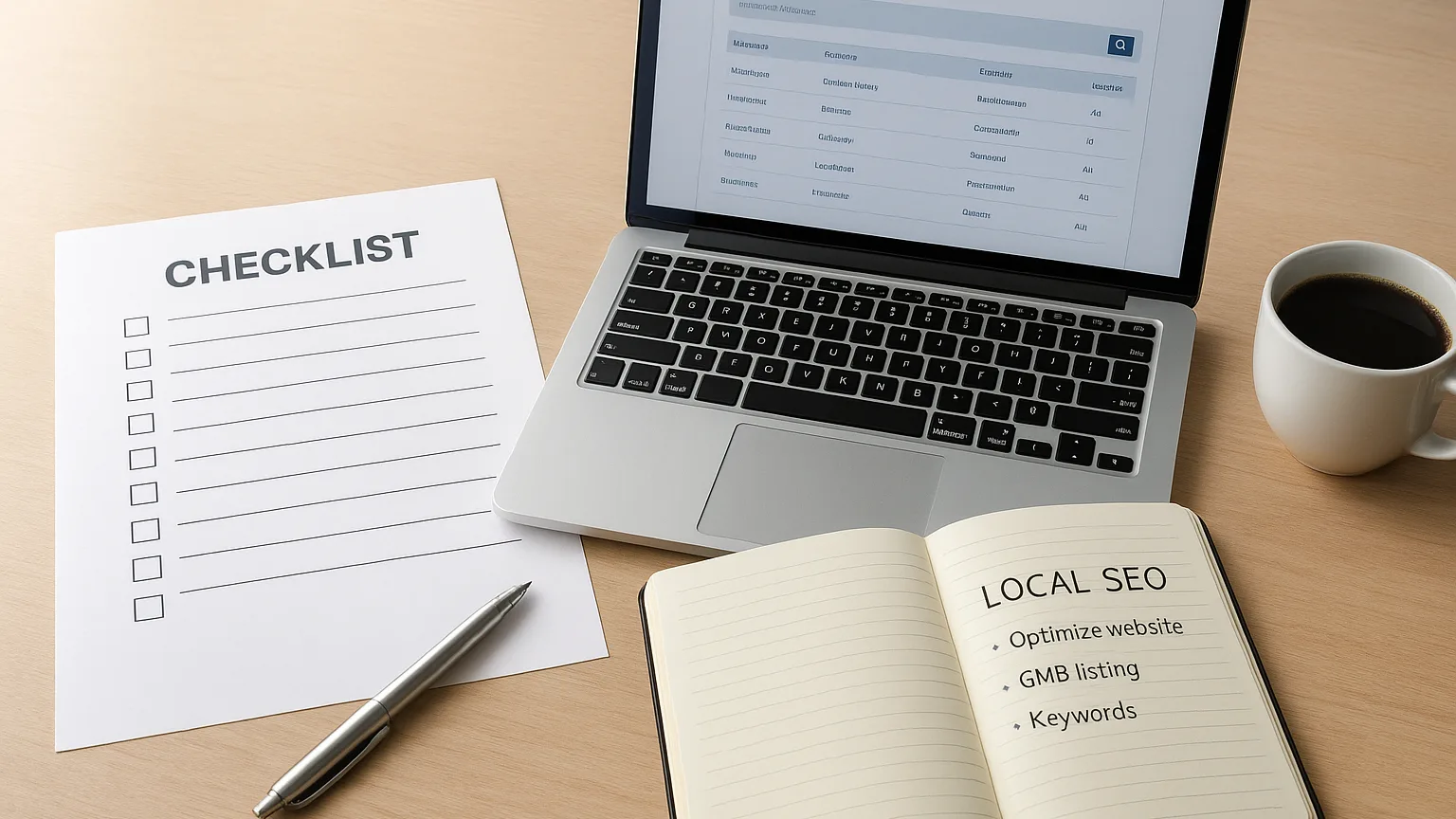
Getting named once is nice. Staying named is the real goal. The AI keeps checking, and it will swap you out if newer, clearer sources appear. These habits help you hold your seat.
Speak the Machine's Language With Schema
Schema is a small bit of code that tells search engines facts about your business in a neat, labeled way. Add Organization or LocalBusiness markup to your site with your name, address, phone, service area, and social profiles. Add FAQ markup to pages where you answer common questions. Your developer can do this in an afternoon, and it removes guesswork for every AI that reads your pages.
Show Up in the Local Story
AI systems give extra weight to mentions they did not pay for. Speak at a local meetup. Join a demo day panel. Sponsor a student hackathon. Go on a regional tech podcast. Then make sure the event page or show notes mention your company name and what you do. Each mention ties your brand to Orlando in a way a directory listing cannot.
Plan for More Than One AI Reader
Google is not the only system summarizing your site. Chat assistants, browser tools, and business software all pull from the open web now. The ongoing debate over open-weight AI models matters to founders for a simple reason: more tools, built by more teams, will be reading and quoting your pages.
The fix is the same for all of them. Write clearly. Keep facts consistent. Answer real questions in plain words. Content that works for one AI reader tends to work for the rest.
Track Your Seat Every Month
Make a list of ten searches your best buyers might type. Think "IT support for Orlando law firms" or "SaaS developer near UCF." Once a month, run each one in a private browser window and note who the AI Overview names. Watch for patterns:
- Which competitors keep showing up, and what pages get cited
- Which of your pages, if any, appear as sources
- Which searches show no AI box yet, since those are open ground
When a rival gets named and you do not, study the page the AI used. It almost always answers the question faster and more plainly than yours does. Rewrite your page to match that clarity, then check again next month.
The First Clear Voice Wins the Room
AI Overviews have turned local search into a short list, and in Central Florida that list is still being written. The startups that get named are not always the biggest. They are the ones with matching business details, a living Google profile, focused service pages, specific reviews, trusted local listings, and a site that stays safe and online when storms roll through.
Work the checklist in order, add schema, earn real local mentions, and track your target searches every month. Do that steadily for the next few quarters, and when a buyer in Orlando asks an AI who to call, your name will be one of the few it gives.