
Your Office Should Not Go Dark This Storm Season
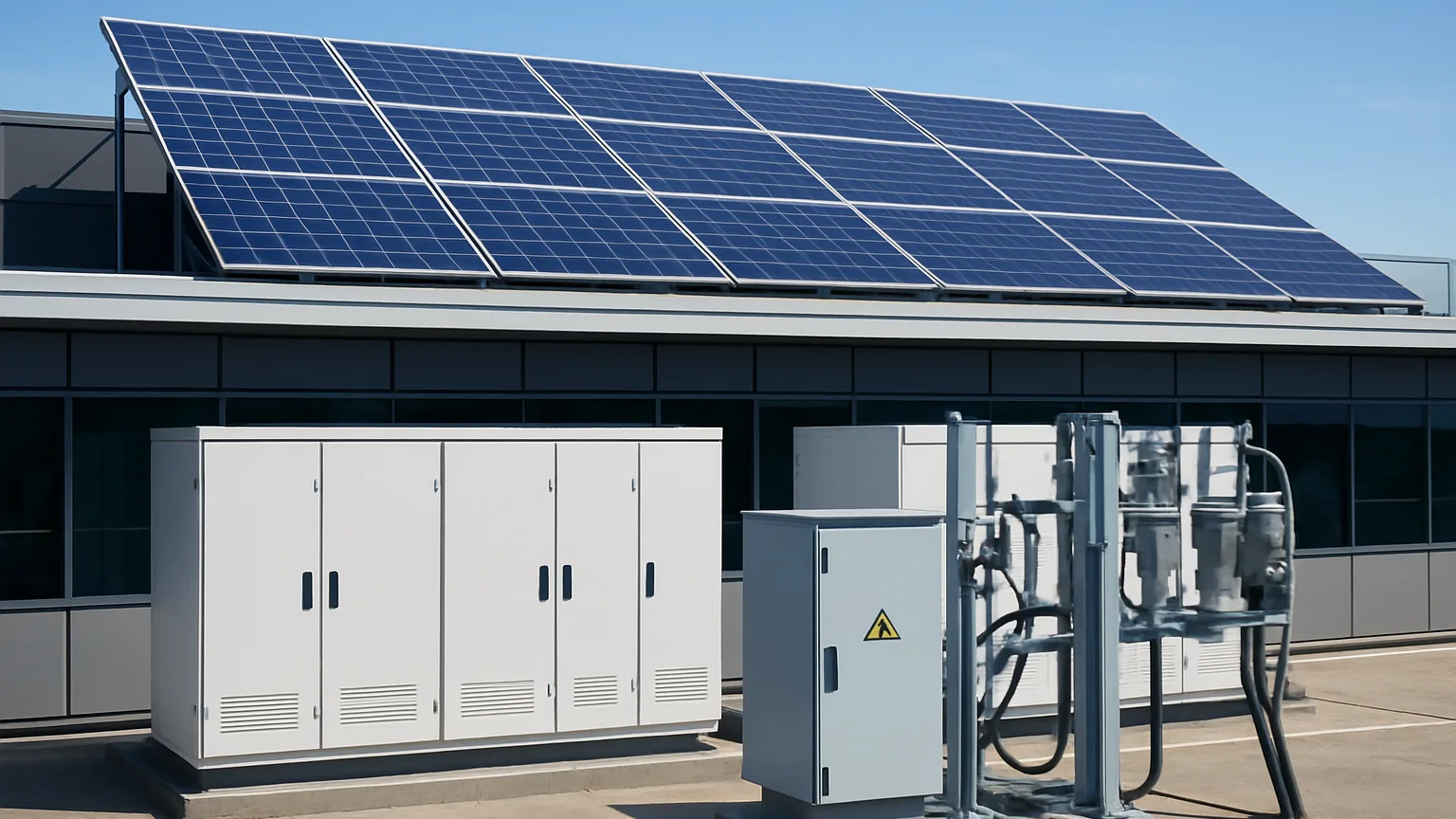
Every Orlando business owner has the same August ritual. You watch the tropical outlook. You count how many days of fuel you have. You wonder if the office Wi-Fi will hold long enough for the team to close out the week.
Here is the part most people miss. The storm itself is rarely what hurts your revenue. It is the four days after, when the wind has stopped, the roads are clear, your clients are back online, and you are still sitting in a dark suite with a dead router. That gap is where deals slip and co-working members ask for refunds.
A solar-plus-battery microgrid closes that gap. Not as an environmental gesture. As a plain business continuity tool, in the same budget line as your backups and your cyber insurance. And the window to get one in place for this season is closing fast.
Where Diesel Backup Breaks Down After A Storm
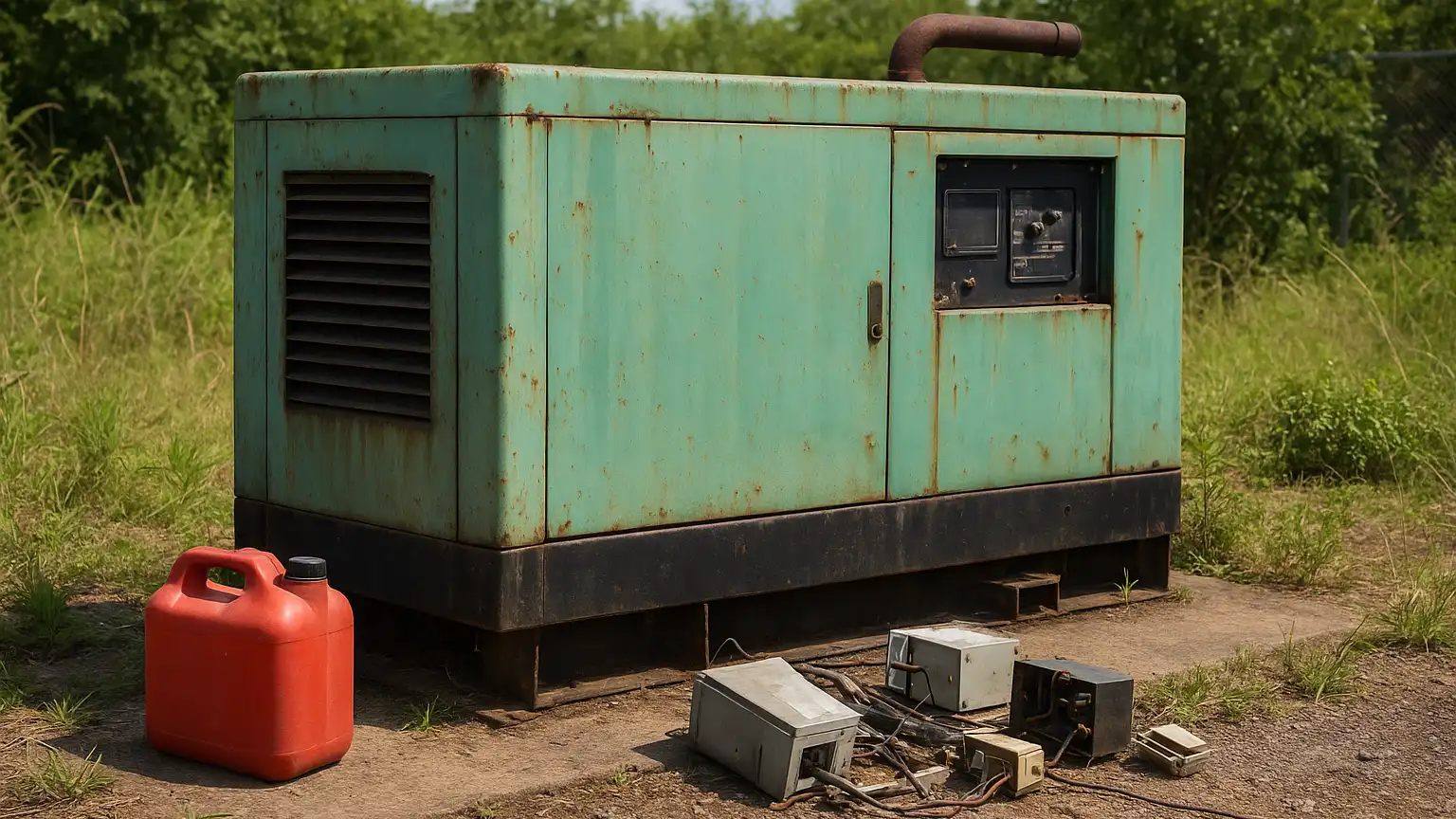
Generators are not bad. They are built for a different job than the one most Orlando tech companies actually need. A diesel or propane unit is designed for short, deep outages. It runs hard, burns fuel, and gets you through the night. Central Florida outages after a real storm are not one night. They stretch. And that is when the weak points show up:
- Fuel is the first thing to disappear. Every station within ten miles is dry or has a two hour line, and you are competing with people trying to leave town.
- Nobody tested it. The unit sat untouched since last October. The battery is flat, the fuel has gone stale, or the transfer switch never got wired to the circuits that matter.
- It cannot run in a leased suite. Most office parks and mixed-use buildings will not let you place a generator, run exhaust, or store fuel on site.
- It does nothing for 51 weeks a year. Pure insurance cost, zero return until something breaks.
Batteries flip that last point. A properly sized solar-plus-storage system shaves demand charges, smooths out peak pricing, and quietly pays part of its own way between storms. When the grid drops, it switches over in milliseconds. Your servers never blink. Nobody has to go find gasoline.
“The businesses that hold up best are the ones that sized their system around what actually has to stay on, not around the whole building,” says Marisol Grady, senior project engineer at a firm focused on commercial energy storage. “A twenty kilowatt-hour bank running the right eight circuits beats a hundred kilowatt-hours spread across everything.” That single idea, choosing what stays on, is the whole game. It is also the part almost nobody plans in advance.
Ranking Your Circuits With A Whiteboard
Load prioritization sounds like an electrical engineering term. It is not. It is a business exercise, and your IT manager and office manager can do most of it in an hour with a whiteboard. The question is simple: if you only had power for a handful of circuits for three days, which ones would keep the company earning money?
Tier One: The Company Stops Without These
These loads get battery backup no matter what. They are small, cheap to carry, and the difference between working and waiting.
- Network rack, switches, firewall, and your primary internet handoff
- Cellular failover router or fixed wireless backup radio
- On-prem servers or NAS devices that have not moved to cloud yet
- Server closet cooling, which matters more in Florida than anywhere else
- Access control, cameras, and alarm panels
- Two or three wall circuits for laptop and phone charging
Tier Two: Comfort and Continuity
Second in line. You want these, but you can live without them for a stretch.
- One mini-split or a single HVAC zone, not the whole system
- Refrigerator, coffee, and one microwave, because morale is a real operating cost
- Overhead lighting in the main work area
- Conference room display and camera for client calls
Tier Three: Let It Wait
Full building HVAC. Every workstation monitor. Exterior signage. Water heaters. Elevators, if that is even yours to decide. Cutting these from your backup plan is what makes the system affordable.
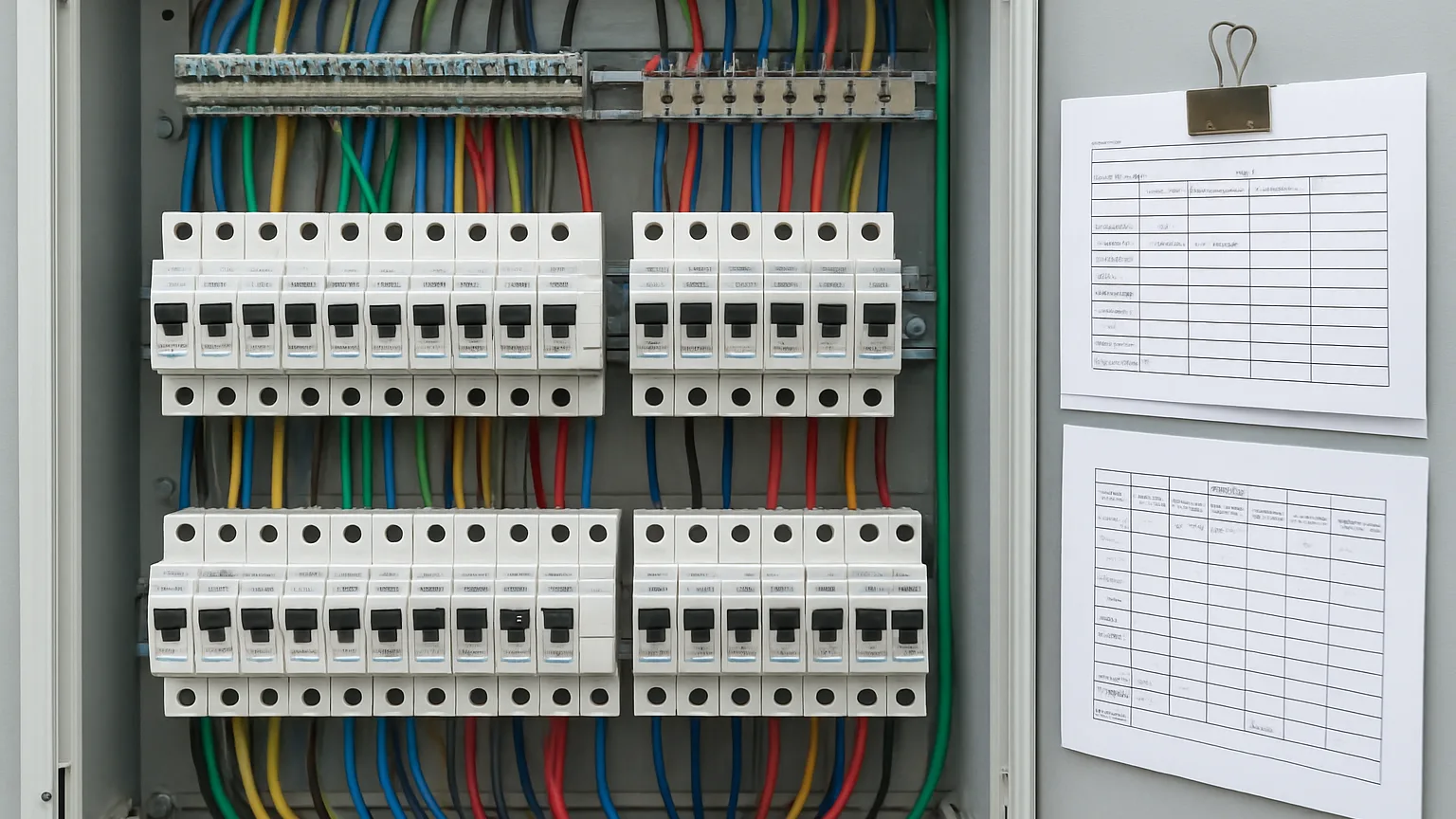
Hand your three tiers to an electrician or your energy contractor before design starts. They will build a critical loads panel around Tier One and Tier Two. “Nine times out of ten, an oversized quote is really a ranking problem, because nobody told the designer which circuits were negotiable,” says Devin Alcaraz, commercial project lead at a firm that handles solar and battery storage projects. Skip this step and you will get quoted a system twice the size you need at twice the price, which is the most common reason these projects die on the spreadsheet.
The Number That Actually Matters
Add up the wattage of your Tier One list. Multiply by 24. That is your daily critical load in watt-hours, and it is usually far smaller than owners expect. A lean startup office often lands between 8 and 20 kilowatt-hours per day for true critical loads. Solar recharges that bank every day the sun comes out, which after a Florida storm is usually the very next morning.
This connects to the rest of your resilience stack. The same discipline you apply to keeping your systems visible and reachable online, whether that is getting cited by AI chatbots or keeping your phones routed, depends on the lights being on in the first place. Uptime is the foundation everything else sits on.
<<
Sequencing The Work While There Is Still Time
Central Florida's busiest storm stretch runs from late August through early October. If you are reading this now, you are at the edge of the practical window for a new install. That is not a reason to stop. It is a reason to sequence things correctly.
This Week
Pull your last 12 months of utility bills. Every quote gets built off them, and hunting them down later adds days you do not have. Complete your load tiers, and take photos of your main panel, your meter, and the wall space near your server closet. Send those with your first inquiry and you will get real numbers instead of a range.
Also check your lease. Rooftop rights, structural approval, and landlord sign-off are the single biggest schedule risk for tenants. Building decisions made in isolation have a way of quietly closing doors later, the same way one routine plumbing call can rule out solar hot water for years. If you are in a shared building or a co-working space, start that conversation now, not after you have picked a vendor.
Next Two Weeks
Get three quotes and compare them on the same terms: usable kilowatt-hours, transfer time in milliseconds, whether the inverter can black start from solar alone with a dead grid, and the warranty length on the battery cells. Vendors who dodge the black start question are worth a second look, because a battery that cannot restart itself without grid power is an expensive paperweight in exactly the moment you need it.
Meanwhile, schedule your interconnection application. Utility review timelines in Central Florida move on their own calendar, and this step is almost always the long pole in the tent, one of those bottlenecks sunshine cannot solve. Filing early costs you nothing and can save you weeks.
If The Timeline Is Too Tight This Year
If permits and interconnection push you past October, do not force it. Run a two step plan instead:
- Bridge now. Install rack-level UPS units sized for your Tier One list, plus a portable battery station and a small folding solar array. Not glamorous, but it will keep a network rack and a dozen laptops alive for days.
- Sign the permanent system now for a shoulder-season install. November through April is a calmer install window, prices are steadier, and you enter next season fully commissioned instead of scrambling.
- Lock your rate and equipment in writing. Battery pricing moves. A signed scope protects you from a spring increase.
Co-Working Operators Have A Different Calculation
If you run a shared space, uptime is not overhead. It is your product. A member who cannot work in your building during an outage learns that they can work somewhere else, and that lesson tends to stick. Some Orlando operators already advertise battery-backed floors and hurricane-season guarantees as a paid tier. It is a legitimate revenue line, and far easier to sell than a rate increase. The same instinct that pushes technical teams toward open-weight model debates and away from single-vendor dependency applies here too. You want your own infrastructure, not a promise from someone else's system.
The Quiet Advantage On Day Four
Storm resilience has stopped being a facilities conversation and become a competitive one. When the grid goes down across three counties, the companies still answering calls, still shipping code, and still hosting clients pick up work that would never have come to them otherwise. The cost of getting there is not enormous: a clear load tier list, a battery sized to that list rather than to your whole square footage, and a signature dated before the storms arrive instead of after.
So pull the utility bills, tier your circuits, ask the black start question, and get the interconnection paperwork moving this month. Whether you commission in September or in February, the decision itself is what changes your position. One day soon a neighborhood in Orlando will go dark for a week, and the businesses that treated power as infrastructure instead of luck will simply keep working.